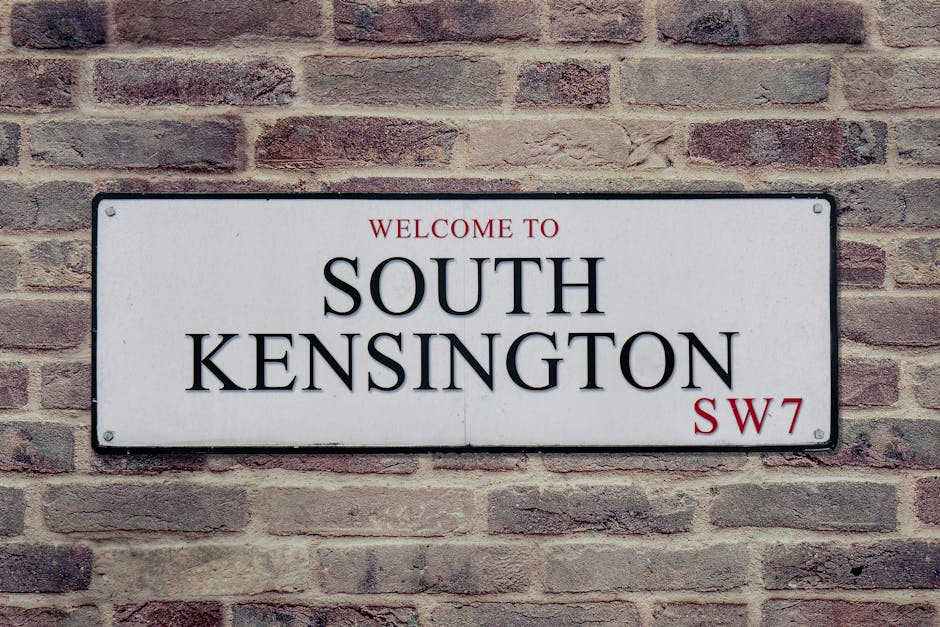
Kennington back to back flat removals Myatts Field success story
If you have ever tried to move out of one flat and into another on the same day, you will know the feeling: boxes everywhere, a narrow stairwell, a clock that seems to move faster than usual, and that odd mix of optimism and panic. The Kennington back to back flat removals Myatts Field success story is really about turning that pressure into a smooth, workable move. Not flawless, not magical, just well planned and sensibly handled.
Back-to-back flat removals are especially common around Kennington and Myatts Field because homes here often sit in shared buildings, converted properties, and compact flats where access, timing, and storage all matter. In this guide, we break down how the process works, why it succeeds, what can go wrong, and how to make it much easier on yourself. If you are comparing options, you may also find it helpful to look at flat removals, removals and storage, and short-term storage for the in-between moments that make a move feel less chaotic.
Truth be told, the success of a back-to-back move usually comes down to three things: preparation, timing, and having a fallback if keys or access slip by an hour or two. Sounds simple. In practice, it is where the best moves are won.
Table of Contents
- Why Kennington back to back flat removals Myatts Field success story Matters
- How Kennington back to back flat removals Myatts Field success story Works
- Key Benefits and Practical Advantages
- Who This Is For and When It Makes Sense
- Step-by-Step Guidance
- Expert Tips for Better Results
- Common Mistakes to Avoid
- Tools, Resources and Recommendations
- Law, Compliance, Standards, or Best Practice
- Options, Methods, or Comparison Table
- Case Study or Real-World Example
- Practical Checklist
- Conclusion
- Frequently Asked Questions
Why Kennington back to back flat removals Myatts Field success story Matters
Back-to-back flat removals are a good test of how well a move has been planned. You are leaving one property and entering another on the same day, often with a small window between access times. Around Kennington and Myatts Field, that window can be tight because building access, lift availability, parking, and neighbouring traffic all affect the day. A successful move is not just about getting items from A to B. It is about doing that without creating a domino effect of delays.
The reason this matters so much is simple: flats do not give you much room to improvise. Hallways are narrow, stairs can be awkward, and you cannot always leave boxes stacked in the wrong place "just for now". If your outgoing property is already empty and your new flat is not yet ready, even a short gap can become stressful quickly. This is where sensible planning, and sometimes temporary storage, can save the day.
There is also the human side of it. Moving day is often tied to work schedules, childcare, tenancy agreements, cleaners, and furniture deliveries. One small delay can affect everything else. So a back-to-back flat move in this area matters because it protects the whole chain, not just the boxes. That is the real success story here.
Expert takeaway: A back-to-back flat removal works best when you treat it like a timed project, not a last-minute lift-and-carry job. If one part slips, have a backup plan already in place.
How Kennington back to back flat removals Myatts Field success story Works
In plain English, a back-to-back flat removal is a same-day handover. You move out of the old flat after completing checkout or key return, then move into the new one as soon as access is granted. Sometimes there is a clean break. Sometimes there is a waiting period. Sometimes there is a surprise delay because the agent is late with keys, or because a previous occupier has run over. Happens more often than people admit, to be fair.
The actual process usually works in stages:
- Pre-move packing and sorting so the bulk of your belongings are ready to load fast.
- Early access planning for both properties, including keys, entry codes, and any booking rules.
- Loading in a logical order so essentials are available first and bulky furniture goes in safely.
- Transport between properties using the right vehicle size and route.
- Unloading with a priority list so you can actually live in the new flat at the end of the day, not just stand in it.
For many people, this is where a service like man and van or small removals becomes useful. Not every flat move needs a huge lorry. In fact, in compact London streets, smaller and more flexible transport can be the smarter choice. If the move involves awkward furniture or a few essential items first, furniture storage can also help reduce pressure when the timing is messy.
You will also notice that the best back-to-back removals are the ones where nothing is left to chance. Boxes are labelled, delicate items are wrapped properly, and everyone knows where the kettle is. That kettle, oddly enough, matters more than people think.
Key Benefits and Practical Advantages
The success of a well-run Kennington move is not just convenience. It creates control. And in a flat-to-flat move, control is worth a lot. Here are the main advantages people usually feel on the day and afterwards.
- Less double handling: When timing is right, your belongings only get packed, loaded, transported, and unloaded once.
- Lower stress: A clear same-day plan reduces the awkward "what now?" period between homes.
- Better use of time: With everything scheduled, you are less likely to lose the whole day to waiting around.
- Reduced storage costs: If you can move directly, you may not need long holding periods.
- Safer furniture handling: Fewer moves around the property usually means fewer bumps, scrapes, and wobbly moments on stairs.
There is another practical benefit that often gets overlooked. A smooth flat removal creates a better start in the new home. You are not surrounded by confusion, half-open boxes, and missing essentials for days. You can make tea, find bedding, and get on with normal life. Honestly, that first evening matters.
If the move involves paperwork, contracts, or sensitive records, it may be worth separating them early and using document storage or secure storage rather than tucking everything into random boxes. That simple bit of organisation prevents annoying surprises later.
Who This Is For and When It Makes Sense
Not every move needs a back-to-back setup, but a lot of people in and around Myatts Field end up needing one. It tends to make sense when lease dates are tight, property handovers are same-day, or the new flat is only available once the old one is cleared. It is especially useful for renters, first-time buyers, couples combining households, and anyone moving with limited access time.
This approach also suits people living in smaller flats where there is not much space to stage items before or after the move. If you are moving from a top-floor flat with no lift, for example, your energy is already being spent on the stairs. The last thing you need is a second round of lifting because the keys were delayed by two hours.
It may also be the right choice if you are moving between nearby parts of South London and want to avoid long transit time. That is where local removals can be the practical fit, especially when the route is short but the access complexity is high. For students or people on short contracts, student storage and household storage can offer breathing room when move-in and move-out dates do not line up neatly.
Who is it not ideal for? Anyone with highly uncertain completion timing and no buffer at all. If the chain is fragile, a little flexibility is worth more than pretending everything will run to the minute. Let's face it, London moving days rarely behave like the spreadsheet.
Step-by-Step Guidance
If you want a back-to-back flat move to go well, the work starts before moving day. Here is the practical version, stripped of fluff.
1. Confirm both access times early
Check when you can collect keys, when the old property must be vacated, and whether there are any building restrictions on loading. Ask about parking, lift bookings, and delivery windows. If anything is vague, chase it. Vague is dangerous on move day.
2. Pack by priority, not by room alone
Room-based packing is fine, but priority-based packing is smarter. Keep essentials together: documents, chargers, kettle, toiletries, a change of clothes, and any medication. You do not want to be looking for a toothbrush in a box marked "books and misc".
3. Measure bulky items
Doors, stair corners, banisters, and radiators can all interfere with furniture on the day. A sofa that looks perfectly fine in the living room can suddenly become an obstacle course on the stairwell. Measure first. Regret less later.
4. Decide what travels and what waits
Not everything has to move immediately. Seasonal items, spare furniture, and some boxed belongings can go into long-term storage if the new place is smaller or not ready. If your timing gap is only a few days, mobile self-storage may also be useful because it keeps handling to a minimum.
5. Load in a practical order
Heavy, durable items first. Fragile items last. Essentials accessible. That way, once you arrive, you are not unpacking three layers deep just to get the bedding out.
6. Unpack the things that make the flat functional
Bed, kettle, lamp, toiletries, phone charger. The rest can wait a bit. There is a real comfort in having the basics sorted before the evening kicks in.
Expert Tips for Better Results
A few small decisions make a disproportionately big difference. Here are the ones that consistently help.
- Use colour labels or numbered room labels. A tiny system beats a pile of mystery boxes.
- Keep one essentials bag per person. If everyone has their own basics, the first night is calmer.
- Protect communal areas. Blankets, covers, and careful lifting reduce damage in stairwells and entrances.
- Take photos of meter readings and room condition. It is a simple habit that can save awkward conversations later.
- Build in waiting time. Even thirty to sixty minutes of flexibility can stop a small issue becoming a full delay.
One more thing: if you are moving valuable office equipment, archive boxes, or mixed personal and business items, look at office storage or business storage. People often mix these things together in a hurry, then regret it when they need one file or one laptop cable at short notice.
And yes, label the box with the mugs. You will thank yourself at 8:40 p.m. when the day has already done enough.
Common Mistakes to Avoid
Most removal problems are preventable. That sounds obvious, but it is true. The issue is usually not the move itself. It is the assumptions around it.
- Assuming keys will be ready exactly on time: This is the classic one. Plan for a delay, even if it never happens.
- Packing without a sequence: Random packing makes unloading slower and more frustrating.
- Overfilling boxes: Heavy boxes are harder to lift and more likely to split.
- Ignoring access restrictions: Some buildings are tight on parking, loading zones, or lift use.
- Leaving essentials in the last box: Never do this unless you enjoy searching for tea bags while hungry and tired.
Another common mistake is overlooking what happens if the new flat is not ready. In a back-to-back move, there should be a fallback. That might be temporary storage, a later delivery, or a split-load arrangement. If you know you might need a buffer, use secure storage rather than trying to pile everything into a friend's living room.
Small mistake, big headache. That is usually how moving day works.
Tools, Resources and Recommendations
You do not need specialist kit for every flat move, but a few basics help more than people expect. A sturdy tape dispenser, good marker pens, furniture blankets, protective wrap, and a trolley for heavier items can make a real difference. Good boxes matter too. Flimsy ones are not worth the bother.
For planning, a simple written checklist usually beats trying to hold everything in your head. Include access times, key collection, parking notes, utilities, and the location of the essentials bag. If there is paperwork to keep separate, document storage is cleaner than leaving it mixed in with clothing and cookware.
Some people also benefit from combining moving and storage rather than treating them as two separate jobs. The page on removals and storage is a useful starting point if you are deciding between a straight move and a staged one. If your move is light but awkward, small removals may be the more efficient route.
And if you want a better feel for the service approach before booking anything, the company background on about us can help you judge whether the way they work matches the way you want your move handled. That kind of trust check matters. More than people think.
Law, Compliance, Standards, or Best Practice
Moving home in the UK is not usually a heavily regulated event in itself, but there are still important standards and best practices to keep in mind. For instance, property access, tenancy handovers, parking, and building use are often governed by lease terms, landlord rules, or local access arrangements. You should always check what your own agreement says rather than assuming the same rules apply everywhere.
Health and safety also matter. Heavy lifting, awkward angles, wet pavements, and tight staircases are where accidents happen. A careful mover will manage load weight, avoid blocking exits, and protect floors and walls where needed. If you are using a removals provider, it makes sense to review their health and safety policy and insurance and safety information so you know how they handle risk.
Security and privacy are part of the picture too. Keys, documents, bank correspondence, and personal items should be handled carefully. If you are storing boxes that include sensitive information, the safer option is to keep them separate and use a controlled storage arrangement. Payment confidence matters as well, so it is sensible to check payment and security details before confirming a booking.
Best practice, in simple terms, means clear communication, sensible lifting, fair handling of goods, and honest timing. Nothing flashy. Just disciplined and careful.
Options, Methods, or Comparison Table
When planning a Kennington-to-Myatts Field flat move, you usually end up choosing between three practical methods. Each one has its place.
| Method | Best for | Strengths | Watch-outs |
|---|---|---|---|
| Direct same-day move | Clean handovers with confirmed keys | Fast, simple, least handling | Risky if timing slips |
| Move with short-term storage | Gaps between tenancies or delayed access | Flexible, safer for uncertain timing | Extra cost and one more step |
| Split move with man and van | Smaller loads, essentials-first relocation | Flexible, often easier in tight streets | Requires clear prioritisation |
If you are unsure which method suits you, ask a very practical question: what happens if the keys are late by two hours? If the answer is "we will just wait and hope", then you probably need a buffer. Short-term storage is often the simplest safety net. It is not glamorous, but it can rescue a move that otherwise turns messy.
Case Study or Real-World Example
Here is a realistic example based on the kind of move many local residents recognise. A renter in Kennington was moving to a flat near Myatts Field on the same afternoon their old tenancy ended. The new property was ready, but only from late morning, and the old flat had to be cleared early. On paper, it looked manageable. On the day, the keys were delayed by an hour and a half.
Instead of leaving furniture on the street or stuffing everything into a rushed unload, the move had been planned with a small buffer. Essentials were packed separately. The main items were loaded in an order that made re-entry quick. A few bulky pieces that were not immediately needed were placed into temporary storage beforehand, which meant the move-in did not depend on every single item arriving at once.
What made the difference was not heroic effort. It was sequence. The bed, kitchen basics, and everyday clothes were prioritised. The sofa and spare shelving were handled later. The flat was liveable by evening, and the stressful middle section of the day never spiralled into a bigger problem. That is the kind of success story people usually remember: not perfect, but calm enough to breathe.
Sometimes the best move is the one where nothing dramatic happens. Quietly efficient. Bit boring, even. And that is a compliment.
Practical Checklist
Use this checklist to keep the move grounded and sensible.
- Confirm both move-out and move-in times.
- Check access, stairs, lifts, and parking for both properties.
- Pack essentials separately for first-night use.
- Label boxes clearly by room and priority.
- Protect fragile items with proper wrapping.
- Measure large furniture against doorways and stair turns.
- Keep documents, keys, and valuables apart from general boxes.
- Decide in advance whether you need storage backup.
- Take meter readings and photos before leaving.
- Keep water, snacks, and chargers easy to reach.
Quick reality check: if any one of those items is still unresolved the night before, sort it out first. It will save you time and a fair bit of muttering on the day.
Get a free quote today and see how much you can save.
Conclusion
The real lesson from the Kennington back to back flat removals Myatts Field success story is that a good move is built, not hoped for. It comes from planning access carefully, packing with purpose, and having an honest backup if the schedule slips. That is especially important in compact London flats, where every stair, doorway, and minute seems to count.
If you are preparing for a move like this, focus on the basics that actually reduce stress: clear timing, sensible loading, reliable storage where needed, and a calm plan for the first night in the new place. Do that, and the day becomes much more manageable. Not easy exactly. Just manageable, which honestly is what most people need.
And when the last box is finally in and the kettle is on, there is a small, ordinary kind of relief that makes all the planning worth it.
Frequently Asked Questions
What does back to back flat removal mean?
It means you move out of one flat and into another on the same day, usually with little or no gap between the two. The timing can be tight, so careful planning matters.
Why is a back to back move harder in Kennington and Myatts Field?
Because many properties in the area have shared entrances, stairs, parking limits, and compact layouts. Those details can slow loading and unloading if they are not planned for.
What if the new flat is not ready when I arrive?
That is where a backup helps. Short-term storage, a split move, or a delayed delivery plan can stop the day from turning into a pile-up of boxes and frustration.
Is a man and van enough for a flat move?
Often, yes. For smaller homes or lighter loads, a flexible vehicle and careful scheduling can be all you need. For bigger moves, you may want a fuller removals service.
How early should I start packing for a same-day move?
As early as you can. A few days ahead is better than the night before. Start with non-essentials, then leave everyday items for last.
Should I use storage for a back to back flat removal?
If there is any uncertainty about keys, access, or completion timing, storage is worth considering. It gives you breathing room and can reduce the pressure of having to unload everything at once.
What items should I keep with me on moving day?
Keep keys, IDs, chargers, medication, a change of clothes, toiletries, snacks, and any important paperwork with you. Do not bury them in the van.
How do I protect furniture in a stair-only building?
Use blankets, wraps, and careful lifting. Measure bulky items before moving day, and make sure the route through the building is clear. A bit of patience helps a lot here.
What is the best way to label boxes?
Use the room name and a priority note such as "first night", "essential", or "can wait". That makes unpacking much easier than using vague labels like "misc".
Are there safety or insurance issues I should check before booking?
Yes. It is sensible to review safety handling, liability expectations, and any relevant policy information before confirming a booking. Clear expectations are always better than guessing.
How can I make a same-day move less stressful?
Keep the schedule realistic, pack the essentials separately, confirm access details in advance, and have a fallback if timing slips. Small steps, repeated well, make the biggest difference.
Where should I start if I want help with my move?
A good first step is to compare the moving style you need with the service pages that match your situation, such as flat removals, removals, or self storage. That usually makes the next decision much clearer.